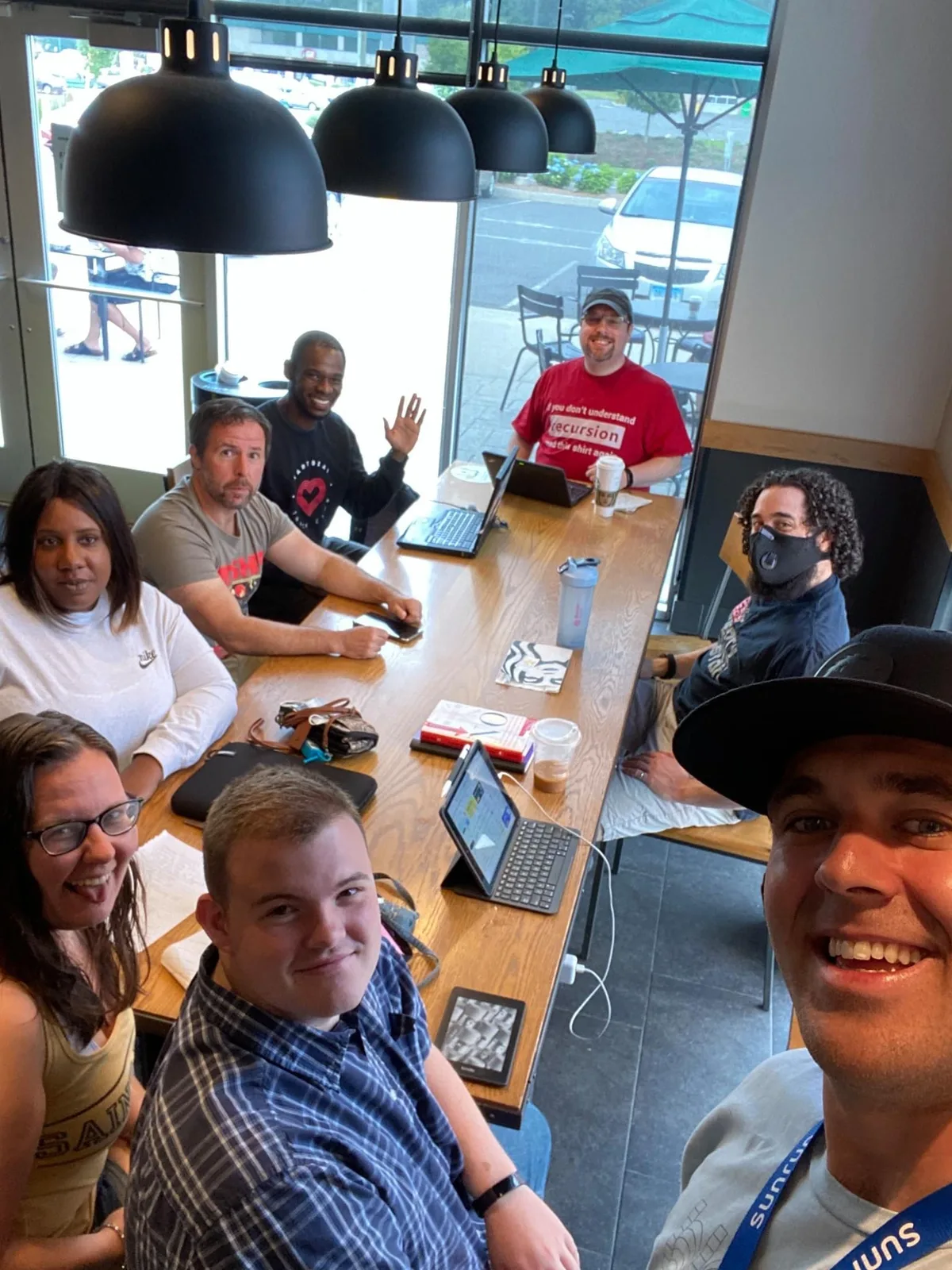
The starting point
Through O(1) Software Network, I taught people with different goals. Many wanted to develop skills for a job. Others wanted a community, a place to build projects, or people to learn alongside. Members joined from around the world, primarily the United States.
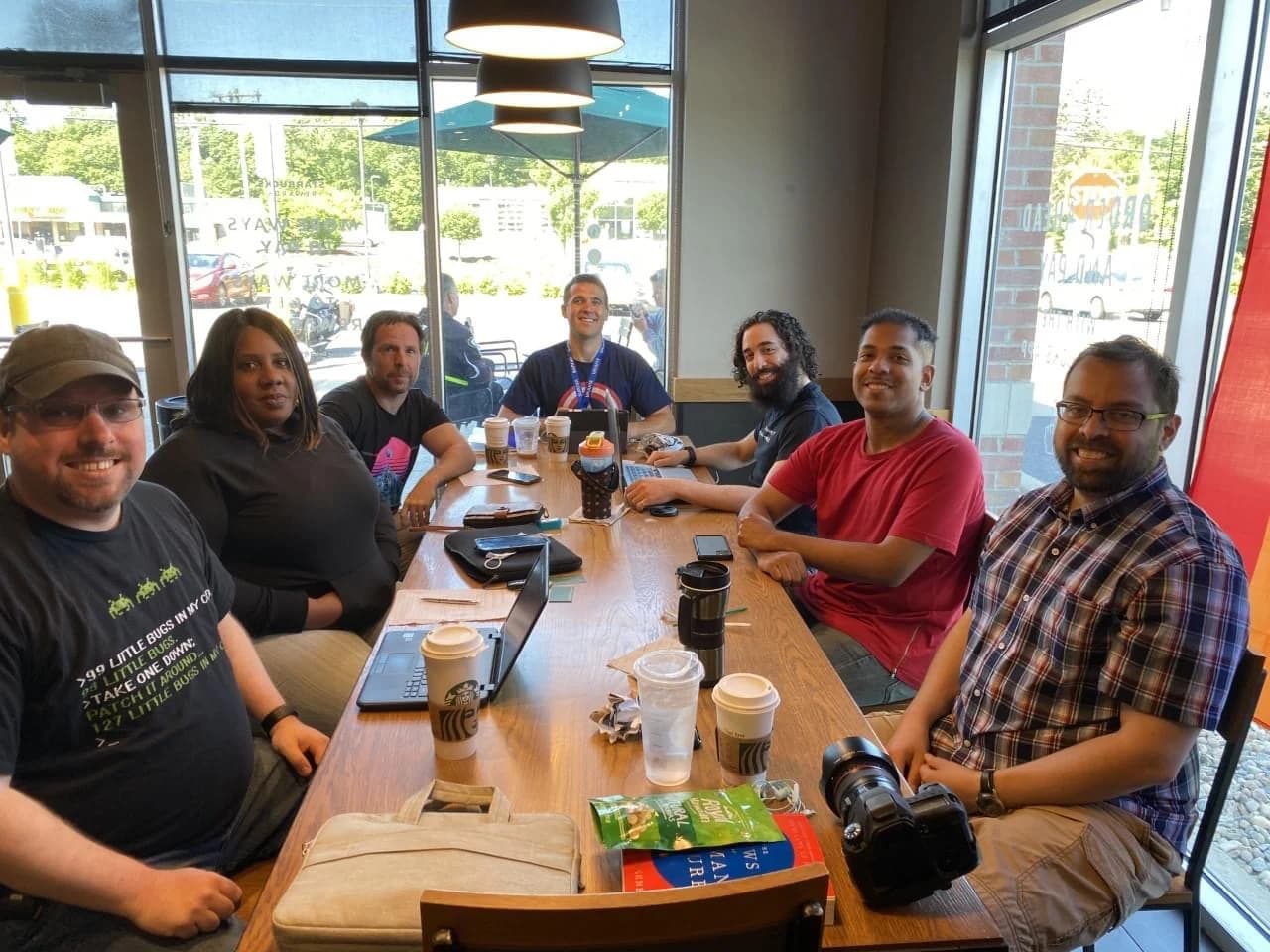
For individual teaching, I began by learning about the person, their current skills and what they wanted to achieve. Each lesson was crafted to meet that learner exactly where they were, with the aim of maximizing their growth and learning. A weekly one-hour lesson cost $200, but tailoring it took another four to eight hours. I worked through the material and built each step before teaching it.
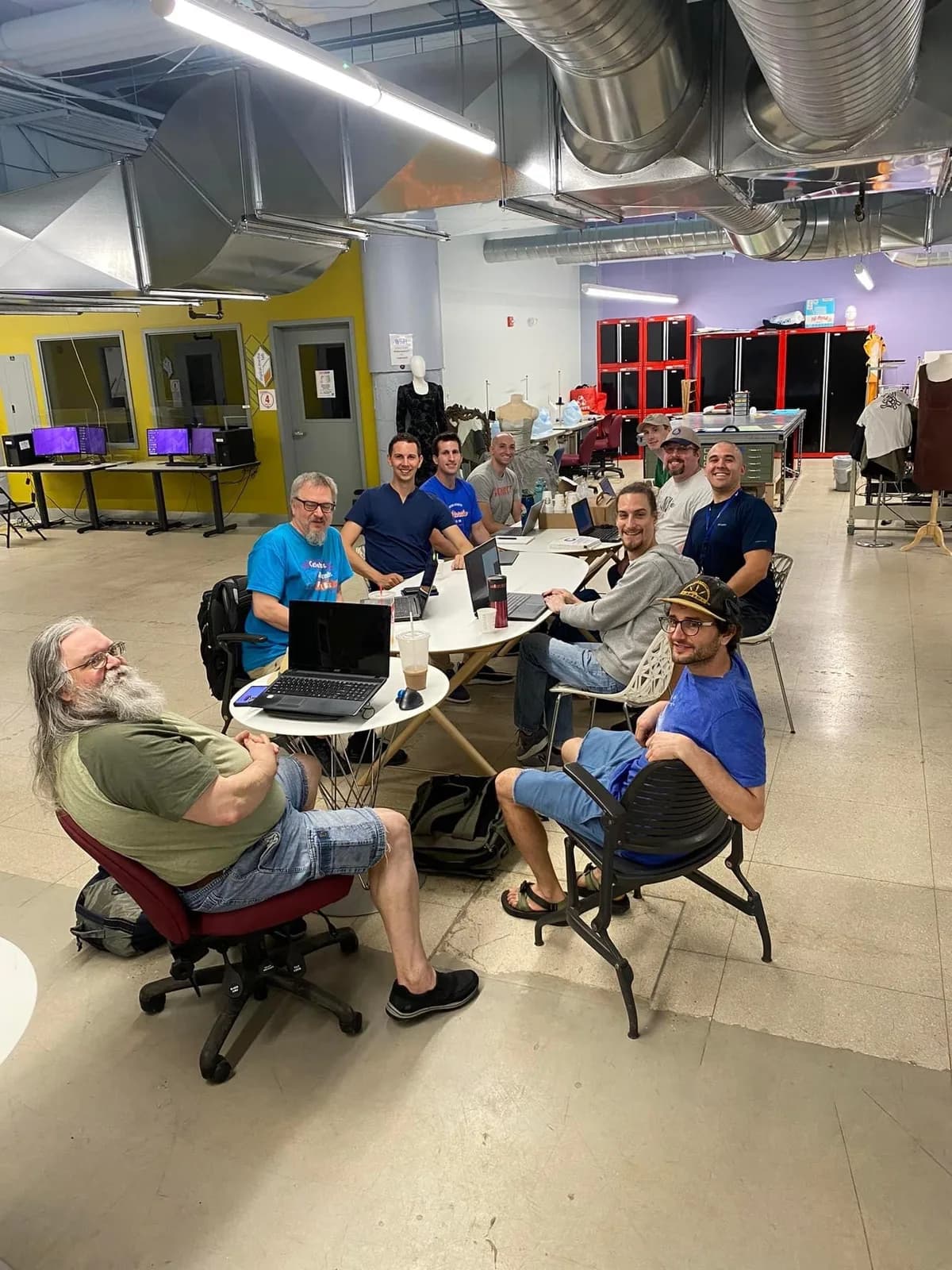
That preparation made a single hour of teaching a much larger commitment. I was also hosting group activities, including free algorithm practice, JavaScript classes and collaborative projects. Building projects together was the most popular format.
Change how the learning was delivered
I stopped offering individual lessons and focused on group sessions with monthly subscriptions. People could choose the level of access that suited them.
| Monthly price | Access |
|---|---|
| $20 | Introductory sessions on Monday and Tuesday. |
| $50 | Introductory sessions, plus intermediate sessions on Wednesday and Thursday. |
| $100 | Introductory and intermediate sessions, plus advanced sessions on Friday. |
The sessions ran online for two hours each evening, Monday through Friday. I led every evening. A shared code-editor link let members join the work as we built together.
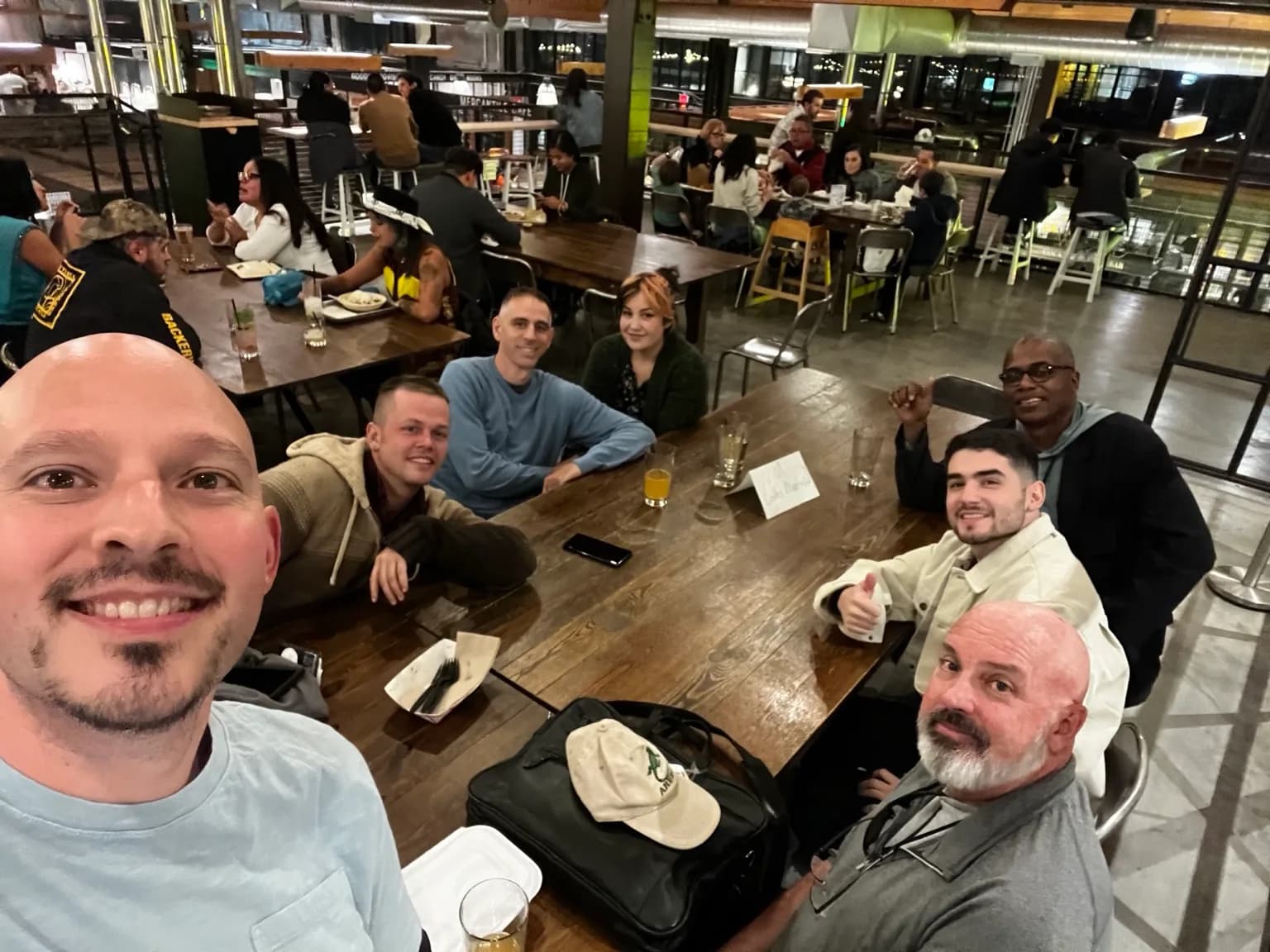
For these group project sessions, I needed no preparation. We worked through the project together, with more experienced members contributing to the teaching.
Turn different skill levels into an advantage
The biggest challenge was bringing people with different skill levels into the same group. We used that mix to help people learn from one another. Newer members could learn from people who had recently faced the same difficulties, while advanced members had opportunities to lead.
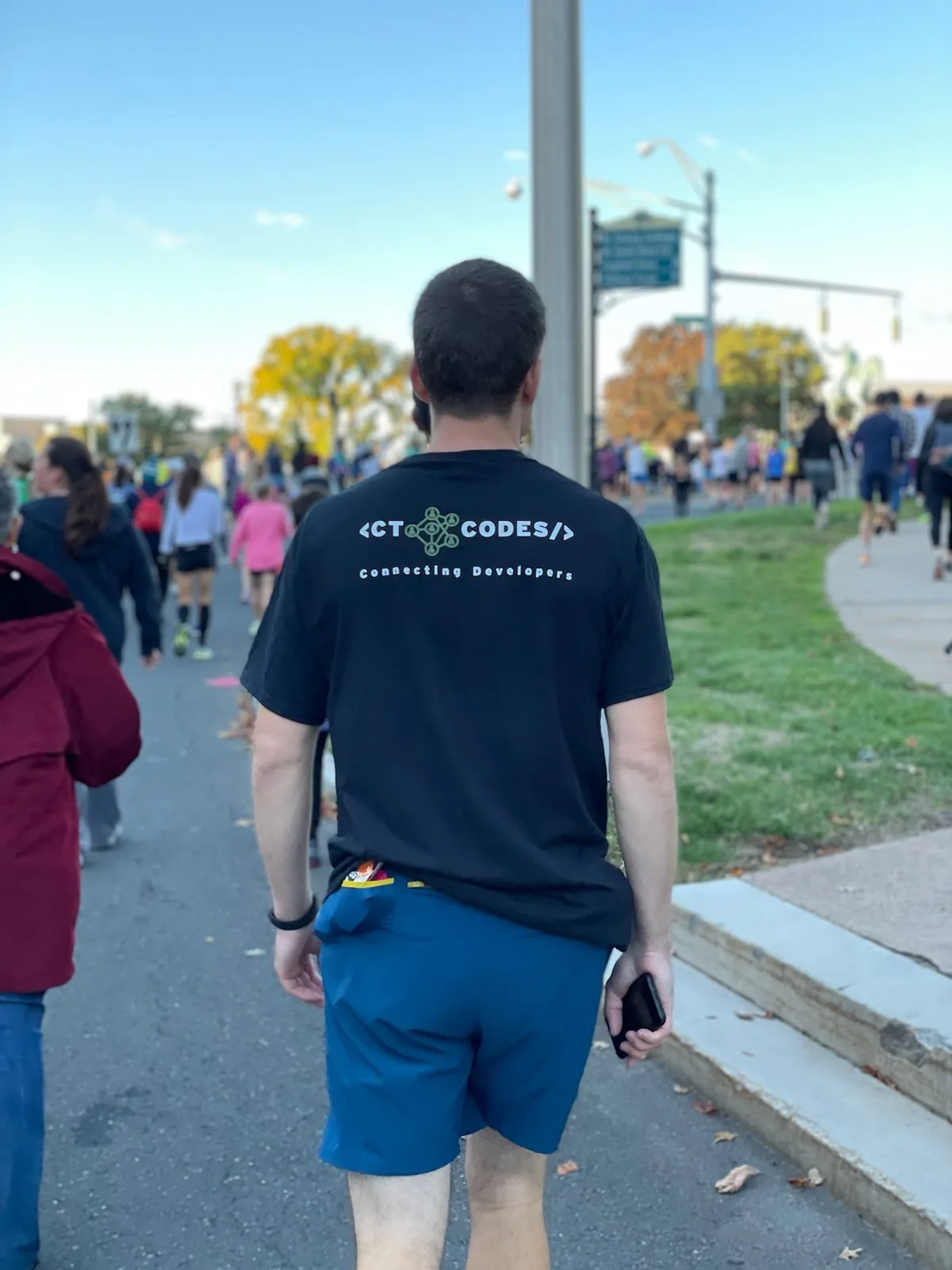
In one session, we built a Wordle clone in less than two hours. One team worked on the front-end interface, and another built the business logic. Newer members learned through working with HTML, CSS, JavaScript and React as the project came together.
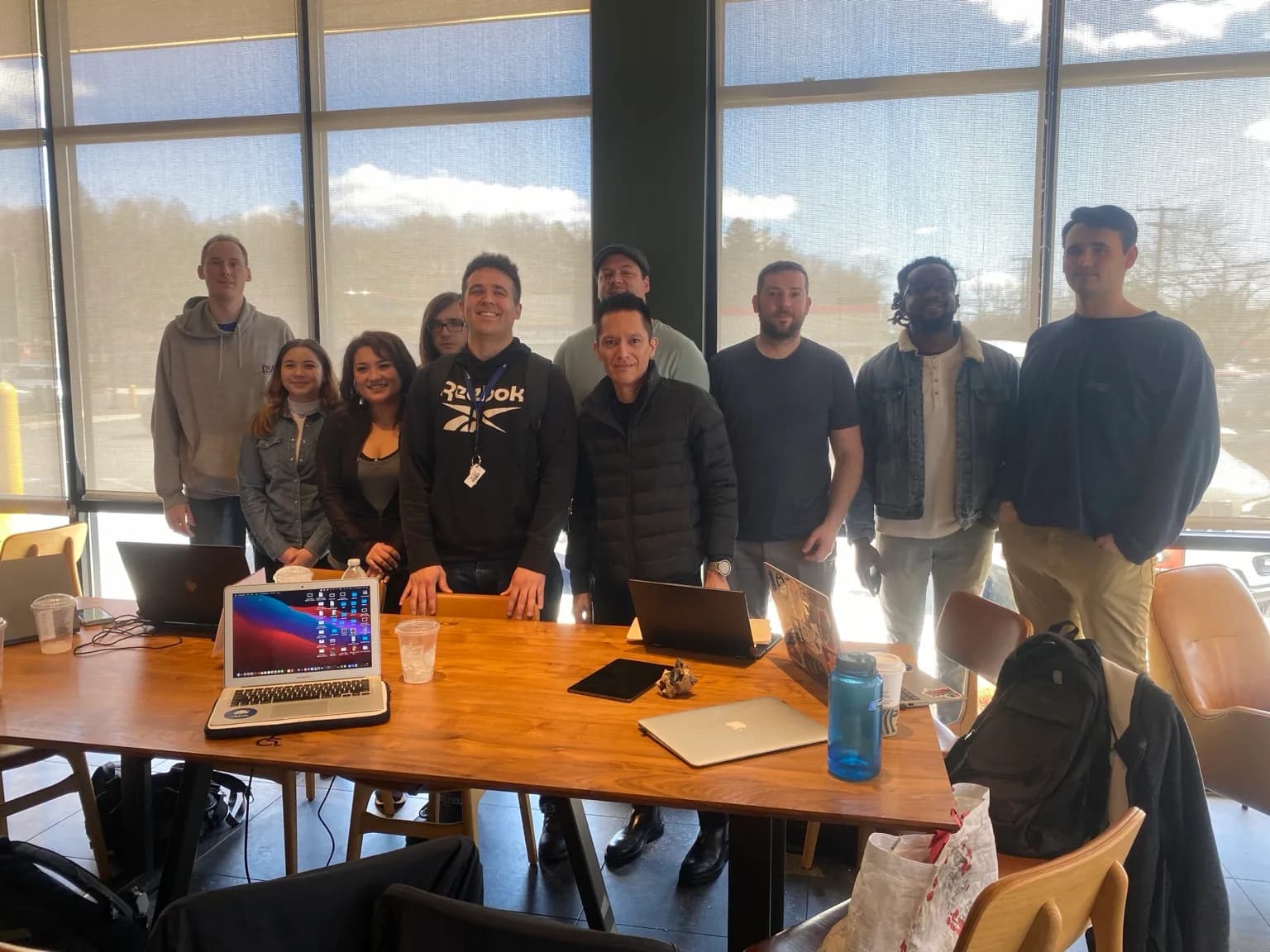
More experienced students helped explain the work and teach others. That made my role easier while giving members more people to learn from.
The results
- Preparation fell from four to eight hours for an individual lesson to zero for the group project sessions.
- Experienced members shared the teaching, making delivery easier for me.
- The business earned more after I moved from individual lessons to tiered group subscriptions.
I ran the paid group format for about two years before focusing my time on building software full-time.
See examples of the group sessions
These recordings show examples of the group learning I hosted. They cover responsive web design and data structures and algorithms.
What this means for business owners
The opportunity was in how the service was structured: the preparation it required, how customers accessed it, and how people could contribute to the experience.
A delivery model that depends heavily on the owner deserves a close look. Changing the format, pricing or division of work can create more ways to serve customers. That is part of the perspective I bring to business owners through O(1) Solutions: understand what the work requires, find what limits progress, and explore practical changes.